By Elizabeth Whelan and Nalina Rodriguez April 11, 2025
Are NYC transplants creating an issue? This week, a TikToker sparked up heat on the app after posting a video asking fellow New Yorkers if “we are buying fruit from those fruit stands on the side of the road?” She later stated in the video that “it doesn’t seem very sanitary.” Since posting her video a week ago, it has been hit with hate as New Yorkers blew it up, criticizing the TikToker before she took her post down. Despite the deletion, the video is still being circulated on the Internet.
This woman and recent conversations about whether NYC influencers are boring earlier in March have ignited debate on the app regarding transplants and how much they contribute to the city. TikTok user Wanderslut received 200k likes after stitching the NYC fruit stand post, saying how the woman’s statement is a microaggression as people of color typically own these local stands. Alongside this user, many people have found the ignorance of some transplants online to be disrespectful.
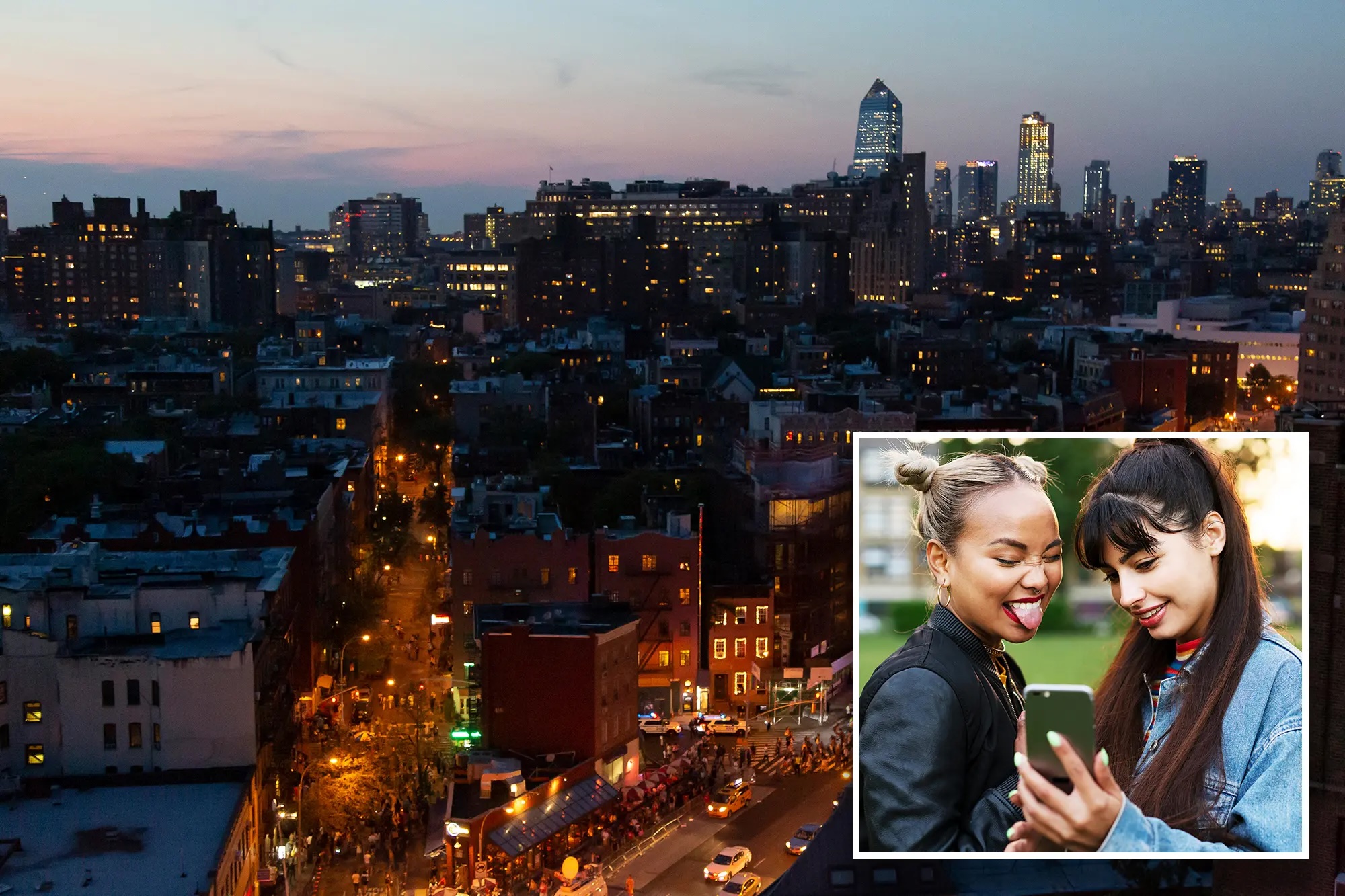
Gentrification and displacement in NYC neighborhoods are rapidly occurring as rental costs have increased 36% since the pandemic. This is kicking out poor local citizens out of the neighborhoods they grew up in, as they can no longer afford housing. 314 neighborhoods in the city are super-gentrified, excluding minorities and low-income citizens from these areas and creating bubbles of white privilege. These communities include Williamsburg, Bushwick, Bed-Stuy, Harlem, and Greenpoint, which were once mainly home to diverse, minority communities.
The popularity of discussing NYC transplants directly correlates to gentrification. It is a media representation of the whitewashing of NYC’s diverse culture. All transplants are not at fault, but what can they do to be the best possible version of a transplant?
The Statue of Liberty on Ellis Island has always been a symbol for those seeking a new home. People will forever be moving to New York City, and this cannot be stopped. As college students in New York, many of us are transplants ourselves. But should transplants not be more than just residents? Should they not actively contribute to and enrich New York City culture? This is not just a question for those thinking of moving here but a call to action for all of us.
 Pace News